
Guide · Updated November 2026
How to set par levels for restaurant disposables
Par level = average use per day × (days between orders + delivery lead time) + safety stock. Set it per item in cases, count on a fixed day, and order the difference between par and what is on the shelf.
Making it work across locations
Use the same par sheet in every location, with counts adjusted to each store's volume. Have each store count on the same day so one consolidated pallet can be ordered and split on delivery.
Review pars monthly. Seasonal swings (summer drinks, holiday catering) change daily use more than most operators expect.
Example par sheet (one location, weekly orders, 2-day lead time)
| Item | Use per day | Days covered | Safety stock | Par (pieces) | Case pack | Par (cases) |
|---|---|---|---|---|---|---|
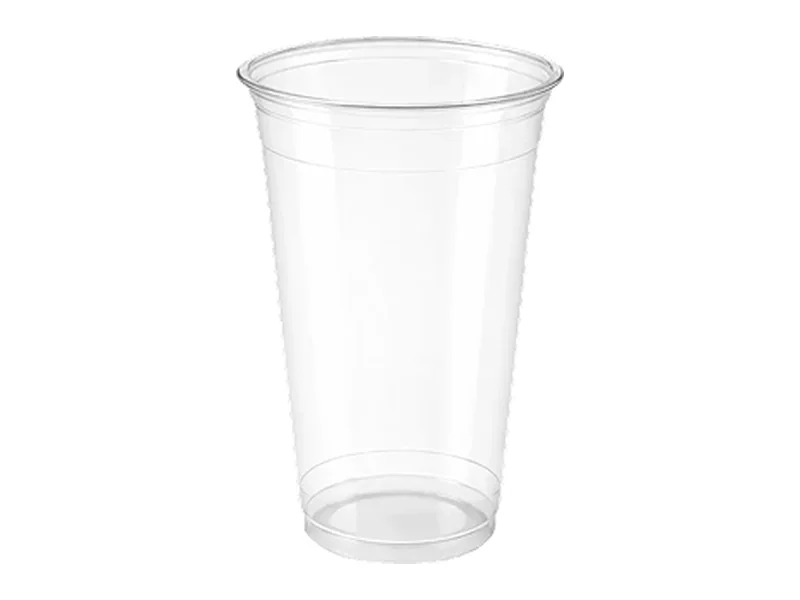
| 16 oz PET cups | 300 | 9 | 500 | 3,200 | 1,000 | 4 |
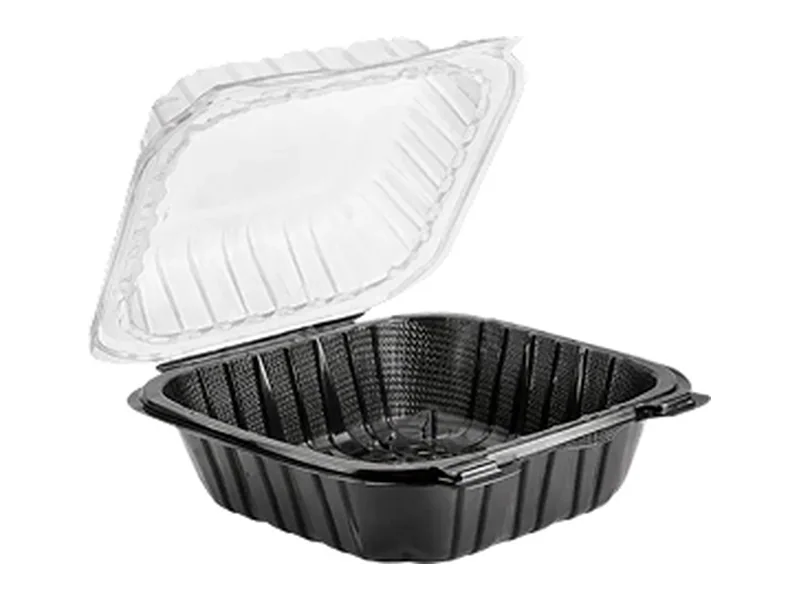
| 9 × 9 hinged containers | 180 | 9 | 300 | 1,920 | 150 | 13 |
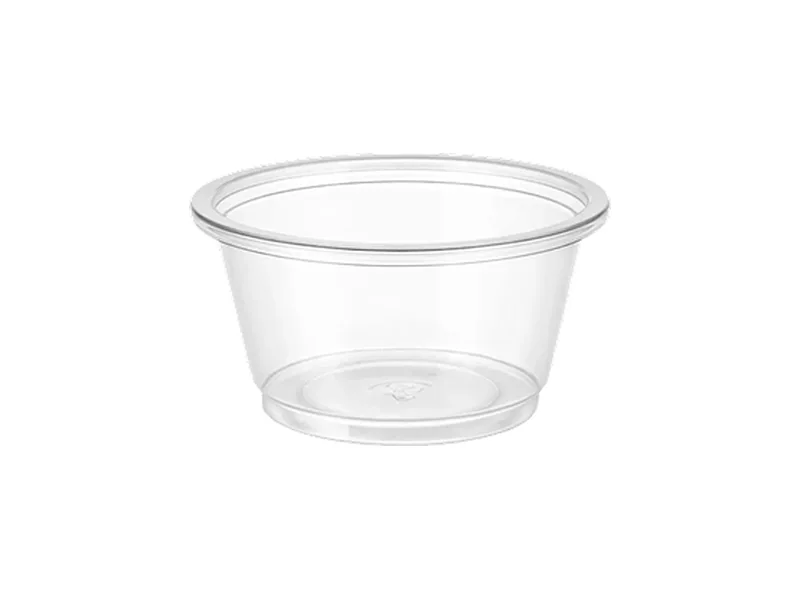
| 2 oz portion cups | 500 | 9 | 1,000 | 5,500 | 2,500 | 3 |
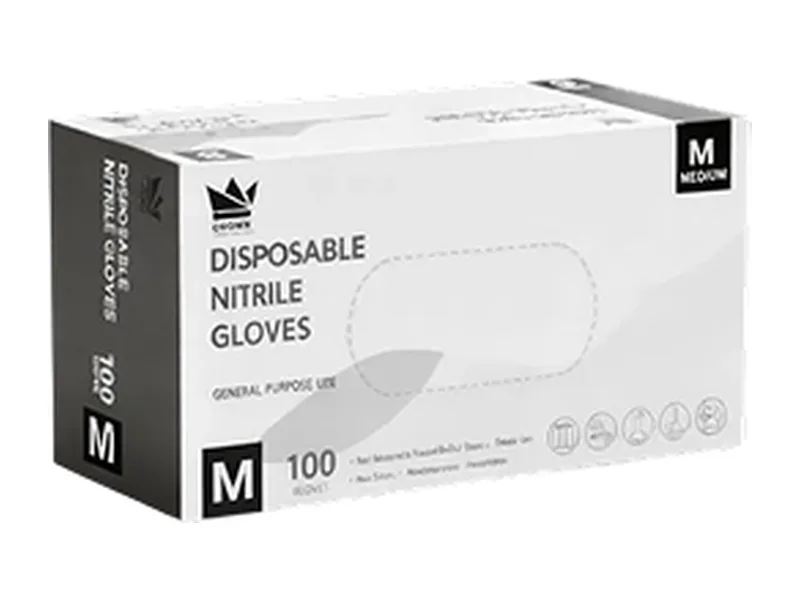
| Nitrile gloves | 400 | 9 | 1,000 | 4,600 | 1,000 | 5 |
| Interfold napkins | 600 | 9 | 1,000 | 6,400 | 6,000 | 2 |
Par levels for disposables: common questions
What is a par level?
The amount of an item you want on hand right after a delivery so you don't run out before the next one.
How much safety stock should I keep?
Enough for one to two extra days of use on most items, more for items with long lead times.
Should par levels be in cases or pieces?
Calculate in pieces and round up to full cases, since you order by the case.
Need these sizes by the case or pallet?
Send your list and we'll quote products and freight to your ZIP code together.